Losing weight can sound straightforward: eat less, move more and stay consistent. In reality, finding an eating pattern that fits your appetite, routine, work, social life and health can be much harder.
There is also no single “best” diet for every man. NICE recommends an individualised approach that reduces energy intake while maintaining nutritional balance and taking personal circumstances and health needs into account. [1]
So rather than promoting another rigid 1,800-calorie menu or eliminating particular food groups, this guide explains what a sensible weight-loss diet should look like in practice.
Is There Really a Best Weight Loss Diet for Men?
Not one that works identically for everyone.
Men often have higher average energy requirements than women, but that does not mean every man needs the same number of calories. The NHS gives around 2,500 calories a day as an average requirement for men, but individual needs can vary considerably. [2]
For weight loss, the important principle is an appropriate calorie deficit: consistently taking in less energy than your body uses. [1] See Also: Natural Diet Options for Body Transformation: What Really Helps?
The challenge is creating that deficit without making your diet so restrictive that it becomes difficult to maintain.
A sustainable plan should therefore fit your lifestyle rather than forcing you into a short-term diet you cannot realistically follow.
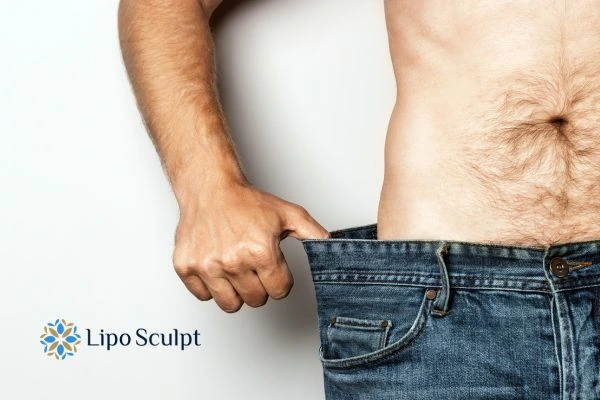
What Should a Weight-Loss Diet for Men Include?
Protein
Include a source of protein with meals where practical. Options include eggs, fish, lean meat, poultry, beans, lentils, tofu, yoghurt and other suitable dairy products.
Protein is an important nutrient and can form part of a balanced meal.
The goal is not to consume as much protein as possible. It is to include an appropriate amount as part of a balanced diet.
Carbohydrates
Carbohydrates do not automatically prevent weight loss.
Potatoes, oats, rice, pasta and bread can all form part of a weight-loss diet. Wholegrain and higher-fibre options can be useful choices, while portion size still matters.
There is generally no need to remove carbohydrates completely unless there is a specific medical or dietary reason for doing so.
Unsaturated fats
Foods such as nuts, seeds, olive oil and oily fish can provide valuable nutrients, but fats are energy-dense. This means portions still matter when weight loss is the goal.
Weight management is not simply about choosing particular foods. How much you eat also matters.
Fruit, vegetables and fibre
Vegetables, fruit, pulses and wholegrains can help provide fibre, vitamins and minerals.
A varied meal may include vegetables alongside sources of protein and starchy carbohydrates. The NHS recommends a varied and balanced approach to eating, rather than placing emphasis on individual foods or specific ingredients. [3]
A Simple Day of Balanced Eating
A useful day might look something like this:
Breakfast: oats with yoghurt and fruit.
Lunch: chicken, tuna, beans or another protein source with wholegrain bread or another carbohydrate source, plus salad or vegetables.
Dinner: fish, lean meat, beans or another protein source with potatoes, rice or wholegrain pasta and plenty of vegetables.
Snacks: fruit, yoghurt or a small portion of nuts, depending on hunger and individual requirements.
This is an example, not a prescribed meal plan. Your calorie and nutritional requirements may be different. Check Out: Building Muscle on a Ketogenic Diet: What the Evidence Says
Meal preparation can also help. Planning a few meals before shopping may help with portion management and reduce reliance on takeaway foods when you’re busy.

What Can Make Weight Loss Difficult?
Weight loss is rarely just about knowing what foods are healthy.
Large portions, alcohol, sugary drinks, frequent takeaway meals, limited activity, disrupted routines and eating in response to stress can all make maintaining an energy deficit more difficult.
Progress can also slow over time. Weight regain can occur, and NICE specifically recommends acknowledging this rather than treating it as a personal failure. [1]
If your weight is not changing, simply cutting calories further is not always the best answer. Your overall diet, activity, sleep, health and previous attempts at weight management may all need consideration.
Very-low-calorie diets are not a one-size-fits-all approach. NICE guidance recommends that they are considered only in specific circumstances and with appropriate professional support. [1]
When Should You Speak to a Healthcare Professional?
A diet found online cannot take your medical history into account.
Speak to your GP or another appropriate healthcare professional before making significant dietary changes if you have a medical condition, special dietary requirements, diabetes, or a current or previous eating disorder. [2]
If you have experienced unexplained weight loss, significant changes in appetite or other concerning symptoms, seek medical advice rather than assuming the issue is simply related to diet.

Diet, Weight Loss and Body Contouring: Understanding the Difference
There is an important distinction between losing weight and changing the appearance of a particular area of the body.
A balanced diet and physical activity are important parts of weight management. Aesthetic body-contouring treatments, where appropriate, have a different purpose and should not be presented as a replacement for dietary changes, physical activity or medically indicated weight-management care.
Even when weight is relatively stable, some people may have concerns about the appearance of particular areas of their body. Whether an aesthetic treatment is appropriate depends on the individual, the area being treated and the treatment being considered.
At Lipo Sculpt Lincolnshire, the appropriate approach should be discussed during consultation rather than assuming that one treatment is suitable for everyone.
The important point is to have realistic expectations: aesthetic treatment is not a substitute for losing excess body weight, and no responsible provider should guarantee a particular result.
Frequently Asked Questions
Q: What is the best diet for men trying to lose weight?
There is no single diet that is best for every man. The most appropriate approach is nutritionally balanced, creates a suitable energy deficit and is realistic enough to maintain over time. [1]
Q: Is 1,800 calories a day suitable for every man?
No. Calorie requirements vary between individuals. An 1,800-calorie diet should not be presented as a universal target for men.
Q: Do men need to cut out carbohydrates to lose weight?
No. Carbohydrate-containing foods can form part of a balanced weight-loss diet. Overall energy intake, food quality and portion sizes are more important than automatically eliminating an entire food group.
Q: How quickly should I expect to lose weight?
There is no guaranteed rate of weight loss. The NHS recommends focusing on gradual, sustainable weight loss, but individual results vary. [4]
Q: What if I have lost weight but still have stubborn areas?
Weight loss and body contouring are different concerns. If you have reached a stable weight but remain concerned about a particular area, a suitable aesthetic professional can explain whether a treatment is appropriate and what it can realistically achieve.
Q: Should I diet before having a body-contouring treatment?
That depends on your circumstances and the treatment being considered. A consultation should establish whether your goals are appropriate for aesthetic treatment or whether weight-management support would be more suitable.
Q: When should I speak to my GP rather than pursue an aesthetic treatment?
If you have unexplained weight changes, significant health concerns, an eating disorder, or a medical condition affecting your weight or diet, seek appropriate medical advice first. [2]
References & Further Reading
[1] NICE — Overweight and obesity management (NG246), 2025, updated 2026.NICE — Overweight and obesity management NG246
[2] NHS — Overweight and obesity.
Supports information concerning average calorie requirements, gradual weight loss, weight-management support and when to seek healthcare advice.
NHS — Overweight and obesity
[3] NHS — Healthy eating when trying to lose weight.
Supports the practical advice on balanced meals, vegetables, protein, carbohydrates, portion sizes and dietary variety.
NHS — Healthy eating when trying to lose weight
[4] NHS — Tips to help you lose weight.
Supports the general guidance concerning gradual weight loss and sustainable lifestyle changes.
NHS — Tips to help you lose weight
[5] ASA/CAP — Weight control: General.
Relevant to the substantiation of weight-control and slimming claims made in marketing communications.
ASA/CAP — Weight control: General
For more information, please call us on 03300101799.